A quality roofing system is essential for maintaining a healthy home environment. It serves as the primary barrier against outdoor elements, regulating indoor temperatures and enhancing energy efficiency. Effective insulation and ventilation play critical roles in minimizing humidity and preventing mold growth. Understanding these components can reveal how they collectively contribute to overall wellness. However, the intricacies of roofing systems warrant further exploration to fully appreciate their impact on home health.
Key Takeaways
- A quality roofing system serves as the first line of defense, preventing water intrusion and structural damage, enhancing overall home wellness.
- Proper insulation and ventilation maintain stable indoor temperatures, improving energy efficiency and comfort throughout the home.
- Effective roofing materials regulate moisture and temperature levels, significantly reducing the risk of mold growth and promoting better indoor air quality.
- Durable roofing options, like metal and tile, contribute to long-term sustainability, minimizing environmental impact and fostering community pride.
- Routine roof maintenance ensures optimal performance, preventing leaks and damage that could compromise the wellness of your living environment.
Understanding the Importance of Your Roof for Home Wellness
A quality roofing system serves as the first line of defense against environmental elements, greatly impacting the overall wellness of a home. Properly installed and maintained roofs reduce the risk of water intrusion, which can lead to mold and structural damage. Additionally, they regulate indoor temperatures, enhancing energy efficiency and comfort. The insulation properties of roofing materials play a vital role in maintaining a stable home environment. Understanding roofing systems explained is essential for homeowners, as it allows them to make informed decisions about materials and maintenance. A reliable roof not only protects against harsh weather but also contributes to the aesthetic appeal of a home, fostering a sense of belonging and pride within the community.
Roofing Systems Explained: Understanding Types and Their Benefits
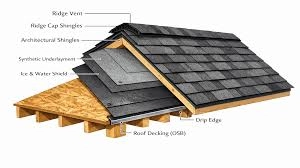
Understanding the various types of roofing systems is essential for homeowners seeking to optimize both protection and aesthetics. Common options include asphalt shingles, metal, tile, and flat roofing systems, each offering distinct advantages. Asphalt shingles are cost-effective and versatile, while metal roofs provide durability and energy efficiency. Tile roofs, known for their longevity and thermal properties, add a unique aesthetic appeal. Flat roofing systems offer ease of installation and maintenance, making them ideal for commercial properties. Each type contributes to the overall wellness of a home by enhancing structural integrity and improving energy efficiency. By thoroughly evaluating these explained roofing systems, homeowners can make informed choices that elevate both the functionality and visual appeal of their living spaces.
How Good Roofing Can Boost Your Indoor Air Quality
Quality roofing systems play a significant role in enhancing indoor air quality, directly impacting the health and comfort of a home. Effective roofing materials and designs help regulate temperature and moisture levels, which are essential for maintaining a healthy living environment.
- Ventilation: Proper ventilation reduces humidity and prevents mold growth.
- Insulation: Quality insulation minimizes heat loss, improving overall air quality.
- Material Selection: Non-toxic materials reduce harmful emissions.
- Sealing: Well-sealed roofs prevent outdoor pollutants from entering.
- Maintenance: Regular upkeep guarantees that the roofing system functions effectively.
How Quality Roofing Supports Indoor Air Quality and Energy Efficiency
Investing in a robust roofing system greatly enhances both indoor air quality and energy efficiency within a home. Quality roofing materials, designed to minimize heat transfer, help maintain consistent indoor temperatures, reducing the reliance on heating and cooling systems. Additionally, effective ventilation systems integrated into roofing designs prevent moisture buildup, which can lead to mold growth and airborne contaminants that compromise air quality. Insulated roofing options further enhance energy efficiency by creating a thermal barrier, lowering energy costs and promoting a comfortable living environment. Ultimately, understanding how roofing systems explained contribute to these critical aspects fosters a sense of belonging in a community that values health, sustainability, and well-being within the home.
Maintaining Your Roof for Long-Term Wellness
Maintaining a roof requires regular inspections and proactive care to affirm long-term wellness for the home. Homeowners can enhance their roofing systems by following a structured maintenance plan. This confirms not only the integrity of the roof but also the overall health of the living environment.
- Conduct biannual inspections for signs of damage.
- Clean gutters and downspouts to prevent water accumulation.
- Trim overhanging branches that may cause wear.
- Replace damaged shingles to avoid leaks.
- Affirm proper ventilation to regulate temperature and moisture.
Frequently Asked Questions
How Often Should I Inspect My Roof for Damage?
Roof inspections should occur at least twice a year, ideally in spring and fall. Additionally, following severe weather events, immediate checks are essential to identify potential damage and maintain ideal roofing systems explained for home safety.
Can Roofing Materials Affect My Home’s Temperature?
Yes, roofing materials greatly affect a home’s temperature. Insulation properties and reflectivity can influence heat absorption, potentially improving energy efficiency and indoor comfort. Understanding roofing systems explained allows homeowners to make informed choices for ideal thermal performance.
What Are the Signs of a Failing Roofing System?
Signs of a failing roofing system include leaks, missing shingles, sagging areas, granule loss, and visible water stains on ceilings. Regular inspections can help homeowners identify these issues early and maintain structural integrity effectively.
How Do I Choose the Right Roofing Contractor?
To choose the right roofing contractor, one should evaluate credentials, seek references, assess experience, and obtain detailed estimates. Clear communication and a solid warranty are essential for ensuring a reliable roofing system, as roofing systems explained.
Are There Eco-Friendly Roofing Options Available?
Yes, eco-friendly roofing options are available, including solar tiles, green roofs, and recycled materials. These options not only reduce environmental impact but also enhance energy efficiency, contributing positively to the overall wellness of home environments.
Conclusion
In summary, a quality roofing system is essential to enhancing the wellness of a home environment. By effectively regulating temperature, improving energy efficiency, and supporting indoor air quality, it plays a crucial role in creating a comfortable and healthy living space. Regular maintenance further guarantees the longevity and performance of the roof, safeguarding against environmental elements. Investing in a durable roofing solution ultimately contributes not only to the structural integrity of the home but also to the well-being of its occupants.
You May Also Like To Read: